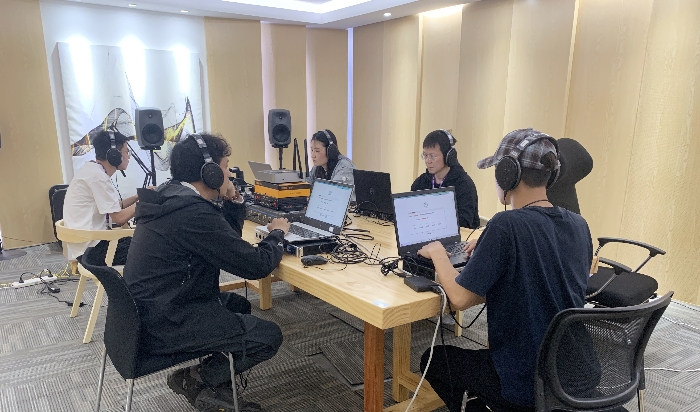
Subjective sound evaluation relies on human auditory perception and empirical judgment to assess sound quality, serving as an irreplaceable link in product acoustic development and quality control.
It makes up for the limitations of objective physical indicators such as sound pressure level, loudness and sharpness, and directly reflects people’s real sensory experience of sound.
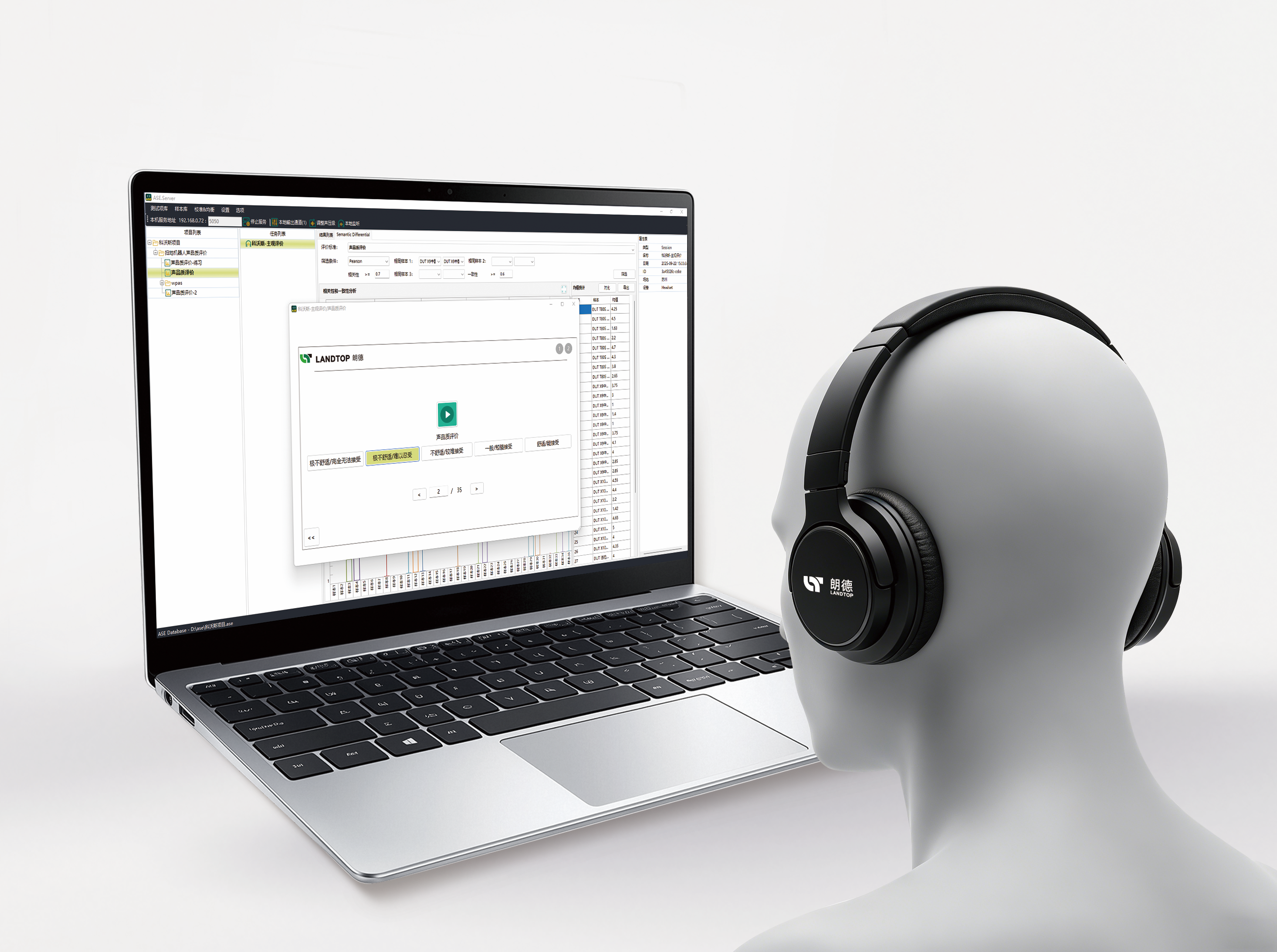
Subjective evaluation has been widely adopted in various industries:
Electroacoustic products: It acts as the core for tuning speakers and headphones. Professional raters score and optimize products based on frequency balance, sound field localization, vocal imaging and other dimensions.
Automotive R&D: Professional subjective evaluation is used to verify cabin quietness, in-car audio performance and driving sound quality.
Home appliances: It optimizes noise comfort of range hoods and other equipment to fit users’ sensory experience.
Phone:010-5997700
Fax:010-68018063
E-Mail:info@landtop.com
Address:2/F, LeafIN hotel Hotel, No.2Minzuyuan Road, ChaoyangDistrict, Bejing, 100101


TOP







 Please leave your contact information, and we will get back to you as soon as possible!