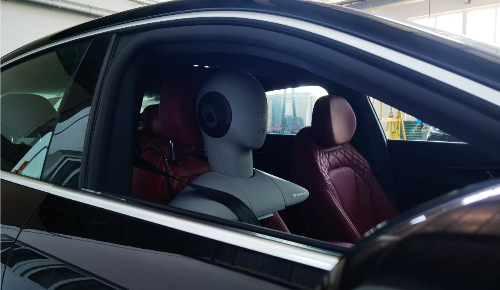
Sound quality analysis objectively quantifies subjective auditory perception by correlating objective acoustic parameters with human subjective feelings, enabling engineers to design acoustic products that sound comfortable, pleasant and even capable of conveying brand value. It is widely applied in product noise evaluation, audio system design, environmental noise control and other fields.
Sound quality research explores the complex correlation between sound signals and human auditory perception, going beyond the simple measurement of traditional sound pressure levels. For product manufacturers, mastering this discipline allows them to shape more appealing acoustic characteristics of products and gain competitive edges in the market. This is because superior sound quality is often directly linked to users’ overall perception of product quality.
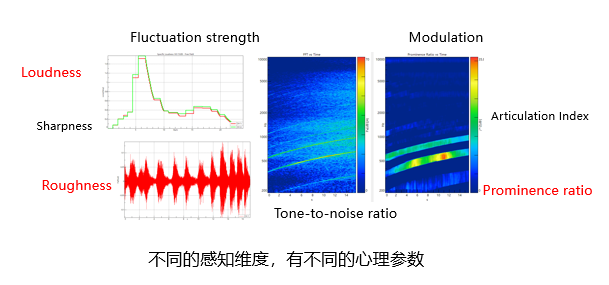
Sound quality generally adopts psychoacoustic methods to study sound characteristics. Our core work lies in selecting appropriate psychoacoustic analysis algorithms to conduct quantitative evaluation after understanding human auditory perception mechanisms. Relevant psychoacoustic analysis methods must conform to human hearing characteristics to realize quantitative characterization of prominent acoustic features.
Our software suite supports calculations of standard psychoacoustic indicators, including speech intelligibility, loudness, sharpness, roughness and fluctuation strength. Beyond these conventional metrics, our platform also provides advanced analytical algorithms tailored for special application scenarios. Examples include Tone-to-Noise Ratio and Prominence Ratio for tonal sound analysis, as well as HRPR (Hearing-Related Pattern Recognition) for abnormal noise detection.
Phone:010-5997700
Fax:010-68018063
E-Mail:info@landtop.com
Address:2/F, LeafIN hotel Hotel, No.2Minzuyuan Road, ChaoyangDistrict, Bejing, 100101


TOP







 Please leave your contact information, and we will get back to you as soon as possible!